Why buying art from a gallery still matters
In an era where almost anything can be bought online — from home appliances to high-value artwork — the traditional art gallery may seem like a relic.
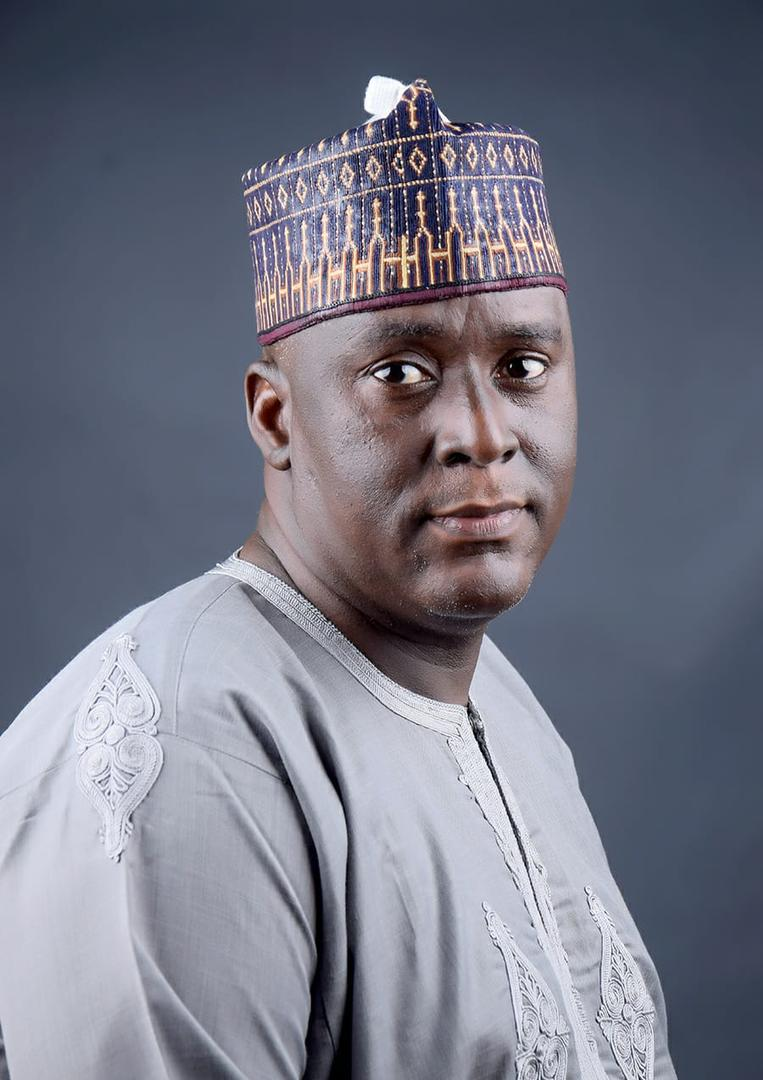
But according to Aliyu Aminu Ahmed, founder of Garga Art Galleries Limited, the gallery is not just surviving the digital age, it is thriving. In a recent interview in Abuja, Aliyu argued that buying art through a gallery remains a vital part of Nigeria’s cultural and creative ecosystem.
“A gallery is more than a place to hang art,” he said. “It’s a trust economy. It’s where the buyer knows the artist is real, the work is original, and the value goes beyond the canvas.”
Unlike mass-produced goods, art is inherently personal and often resists standardization. Aliyu stressed that buyers are not merely purchasing pigments on a canvas but are investing in authenticity, intention, and long-term value. “Galleries don’t just sell artwork. We sell assurance and quality,” he explained. “Every piece is vetted, documented, and often comes with a certificate of authenticity. That’s hard to replicate through informal channels.”
Provenance — the traceable history of an artwork’s ownership — plays a crucial role, particularly in the secondary art market. Aliyu noted that proper documentation is often the difference between a treasured heirloom and a questionable acquisition. “This is where the gallery’s role becomes indispensable,” he said.
As online platforms flood the internet with millions of images — many of them fake or poorly sourced — Aliyu sees galleries as a necessary filter. “We’re not selling quantity; we’re offering quality,” he said. “Every piece selected is meaningful, well-researched, and tells a story.”
He added that galleries act as tastemakers and help collectors navigate the often overwhelming world of art. “There’s an intellectual process behind every selection. It’s not just about what’s trending but about what’s timeless.”
Beyond commercial transactions, Aliyu believes galleries serve as an economic and cultural lifeline for artists. “Artists need more than exposure — they need structure,” he said.
“We help price their work, promote their talent, and protect their rights. In essence, only artists who meet a certain standard are curated by galleries.”
He noted that buying from a gallery is a form of patronage with a purpose. It sustains the infrastructure that allows artists to thrive and Nigeria’s creative economy to grow.
While digital platforms offer convenience, Aliyu insists they cannot replicate the emotional impact of physically experiencing art. “You can’t feel the texture or layers through a screen,” he said. “There’s a human connection in standing before a piece — something emotional that pixels just can’t capture.”
He also emphasized the educational role galleries play, particularly for newcomers to the art world. “We mentor people. We introduce them to artists. We answer their questions,” he said. “It’s a conversation, not just a checkout button.”
Despite technological disruption, Aliyu believes galleries are more relevant than ever.
He pointed out that even in the face of innovations such as AI-generated art, the appeal of original, hand-crafted works remains strong. “Art has always evolved,” he said. “But it remains a deeply human expression. Galleries keep that experience alive.”
Source: Trust Radio Author: Trust Radio Read original article
Related Articles
ABU Zaria and Garga Art Galleries Host Workshop on Provenance and Documentation in Nigerian Art
The Department of Fine Arts, Ahmadu Bello University (ABU), Zaria, in collaboration with Garga Art Galleries, held a workshop on Tuesday, 23rd September 2025, themed “Enhancing Art Value through Provenance and Documentation.” The event, organized under th
Aliyu Aminu Ahmed calls for tax incentives on donated artworks to boost creative economy
Prominent contemporary artist and founder of Garga Art Galleries Limited, Aliyu Aminu Ahmed, has urged the federal government to implement tax incentives for donated artworks, a move he believes could transform the country’s creative economy.